Soutien face à la maladie / Support in the face of illness
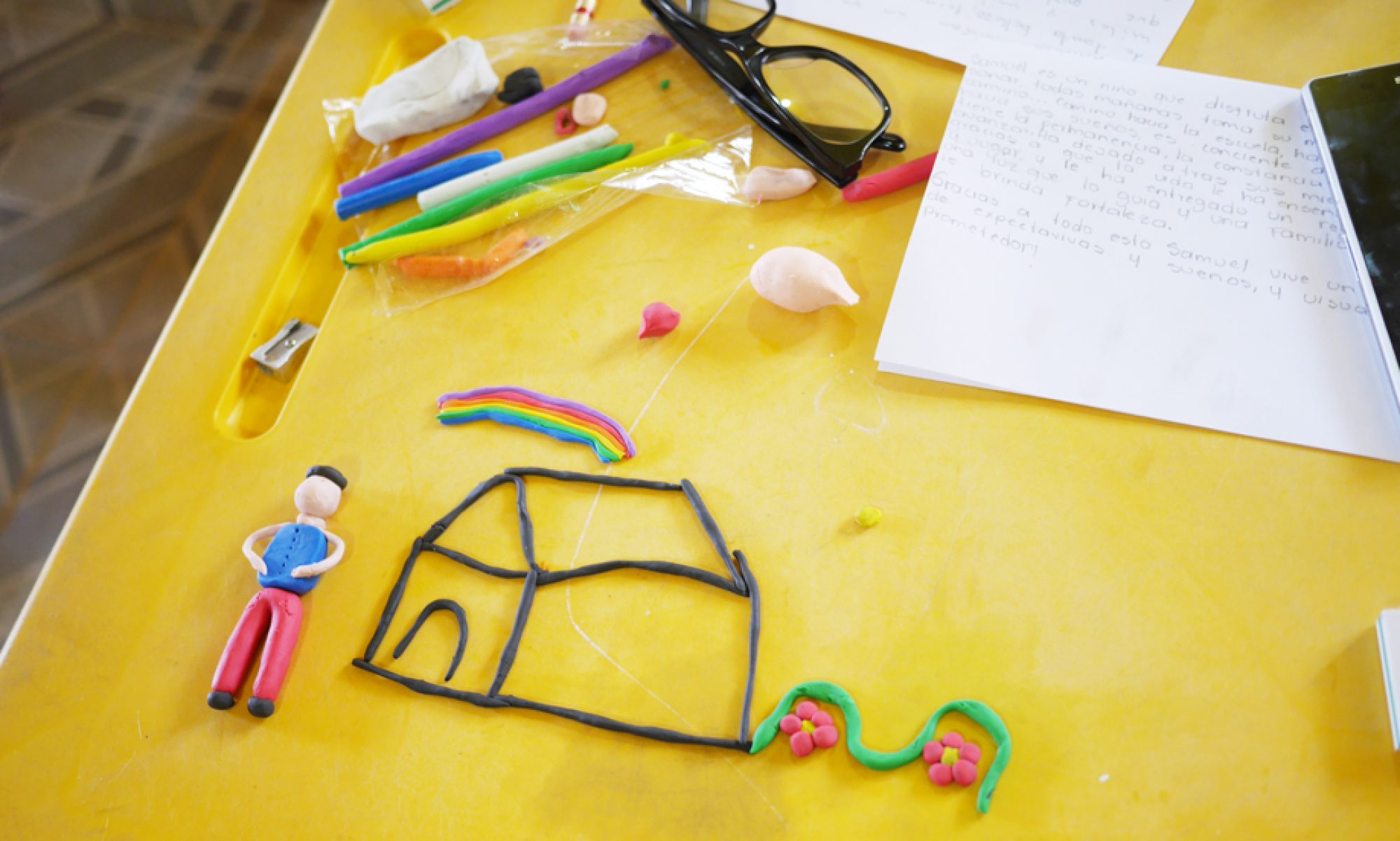
La survenue d’une maladie ou d’un accident de vie est souvent traumatique pour le patient et son entourage, générant de nouvelles questions et émotions. L’art-thérapie offre un espace pour explorer et symboliser ces sentiments, aidant à traverser ces épreuves et à accepter un réel douloureux.
The onset of illness or a life-changing event can be traumatic for both the patient and their loved ones, bringing up new questions and emotions. Art therapy provides a space to explore and symbolize these feelings, helping to navigate difficult experiences and accept painful realities.
Art-thérapie et cancer / Art Therapy and Cancer
L’art-thérapie fait partie des soins de soutien. Elle permet de prendre soin de soi, particulièrement lorsque les traitements lourds et les hospitalisations répétées fragilisent et éloignent de ses repères.
- Phase 1 : Soutien et expression
Face à l’annonce de la maladie et aux traitements, la verbalisation n’est pas toujours suffisante. L’art-thérapie offre un espace sécurisé pour symboliser la maladie, renforcer la confiance en soi, travailler sur l’image de soi et explorer ses représentations face à la pathologie. - Phase 2 : Transformation et projets de vie
Elle accompagne l’élaboration de nouveaux chemins et projets, permettant aux patients d’exprimer émotions et ressentis à travers la création, tout en réorganisant leur processus d’expression et en exploitant le pouvoir de l’art. - Phase 3 : Surveillance et rémission
Après le traitement, les patients peuvent se sentir seuls et anxieux. L’art-thérapie soutient cette transition et la reconstruction des liens familiaux et sociaux, favorisant le bien-être psychique. - Soins palliatifs
Dans ce contexte, l’art-thérapie est un soin de confort, aidant à exprimer colère, anxiété et souffrance psychique, et à revisiter la vie pour laisser une trace durable, accompagnant ainsi les proches dans leur deuil.
Les ateliers peuvent se dérouler en cabinet, à domicile ou entre les traitements, offrant un soutien continu et adapté aux besoins de chacun.
Art therapy is part of supportive care. It helps patients take care of themselves, especially when heavy treatments and repeated hospitalizations destabilize daily life.
- Phase 1: Support and expression
When faced with diagnosis and treatment, words alone are often insufficient. Art therapy offers a safe space to symbolize the illness, strengthen self-confidence, work on self-image, and explore one’s relationship with the disease. - Phase 2: Transformation and life projects
It supports the development of new paths and life projects, allowing patients to express emotions through creation while reorganizing their modes of expression and harnessing the power of art. - Phase 3: Follow-up and remission
After treatment, patients may feel isolated or anxious. Art therapy supports this transition and the rebuilding of family and social ties, promoting psychological well-being. - Palliative care
In palliative contexts, art therapy acts as comfort care, helping to express anger, anxiety, and psychological suffering, and to revisit life in a way that leaves a lasting legacy for caregivers.
Workshops can take place in the office, at home, or between treatments, providing continuous support tailored to individual needs.
 ATELIERS D'ART THÉRAPIE
Vous devez être connecté pour poster un commentaire.